
A Day in the Life of a Day Trader
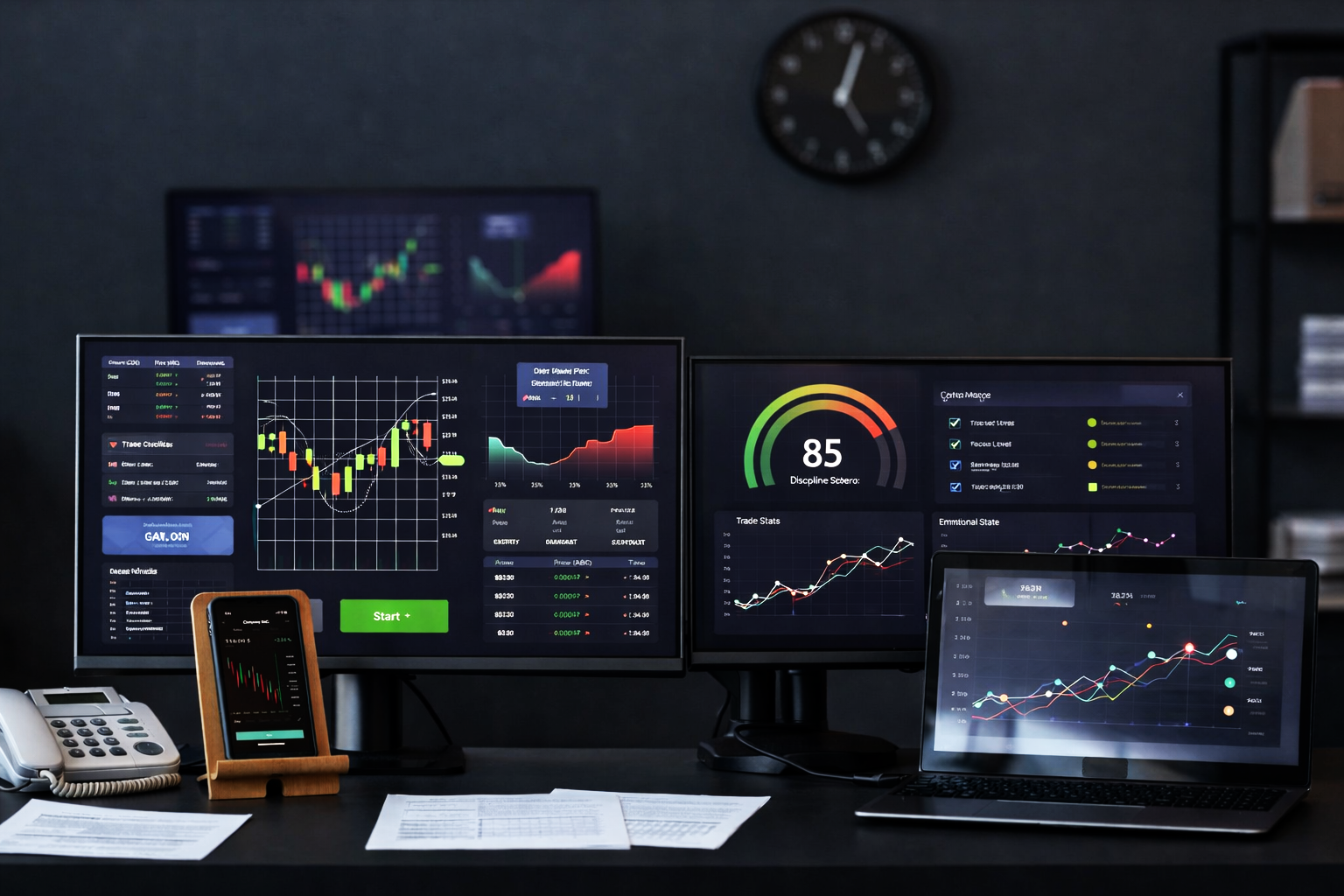
This is what a day trader’s day should be built around.
The Trader’s Daily Discipline Dashboard
The Day Trader’s Daily Discipline Dashboard is designed to help day traders build consistency, control emotions, and follow a structured trading routine every single day. Instead of focusing only on profits and losses, this dashboard emphasizes discipline-driven habits such as pre-market preparation, risk management, trade execution, and post-market review. By tracking daily actions and decisions, traders gain clarity on what they are doing right and where they need improvement.
This dashboard acts as a personal accountability tool, helping day traders stay aligned with their trading plan even during volatile market conditions. Over time, it encourages better decision-making, reduces impulsive trades, and strengthens mental resilience. When discipline becomes measurable and repeatable, trading transforms from emotional reactions into a professional process.
Build Discipline Before You Chase Profits
Most traders spend years searching for the perfect strategy, indicator, or secret setup. Very few realize the uncomfortable truth: strategies fail far less often than discipline does.
Losses usually come from:
-
Overtrading
-
Emotional decisions
-
Poor routine
-
Mental fatigue
-
Lack of physical health
Charts don’t drain your capital — habits do.
The Trader’s Daily Discipline Dashboard is a complete, end‑to‑end framework designed to help traders operate like professionals. It structures your entire trading day — before, during, and after market hours — while integrating fitness, recovery, and mindset.
This is not a strategy page. This is not a signal page.
This is a behavioral operating system for traders.
Why Discipline Is the Real Edge in Trading
Markets are uncertain. Outcomes are random in the short term. What you can control is:
-
Your preparation
-
Your execution
-
Your risk
-
Your emotional response
-
Your recovery
Professional traders focus on process over outcome. They know that profits are a by‑product of consistency.
Just like athletes train daily regardless of match results, traders must follow routines regardless of wins or losses.
This dashboard exists to help you:
-
Reduce emotional mistakes
-
Create repeatable daily structure
-
Protect capital
-
Improve long‑term performance
How to Use This Dashboard
-
Use it daily, not occasionally
-
Do not skip sections based on mood
-
Be honest with yourself
-
Track consistency, not profits
If followed correctly, this dashboard will do something powerful: it will make your trading boring — and profitable.
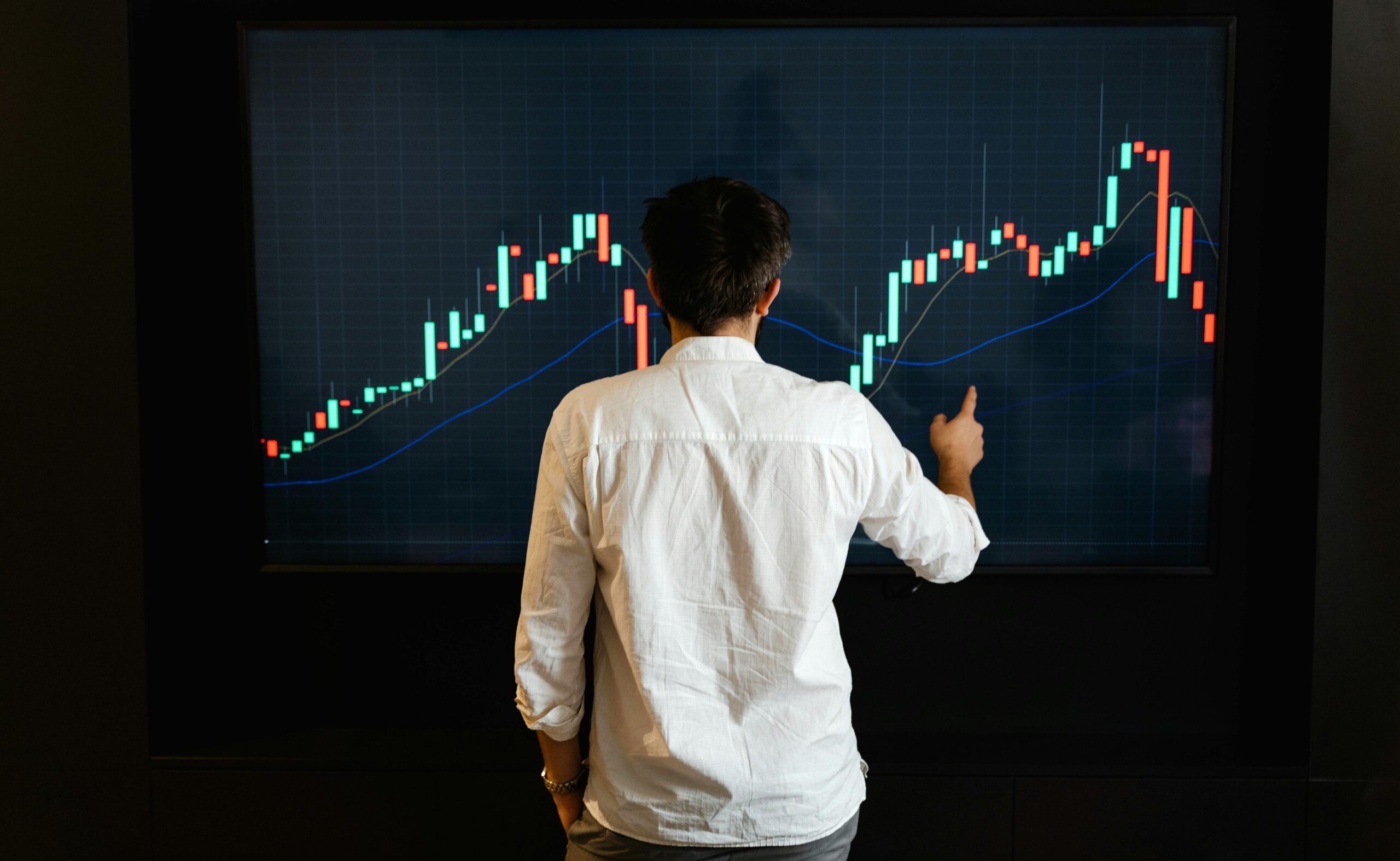
Pre‑Market Routine – Prepare the Mind & Body
A strong pre-market routine sets the tone for the entire trading day by preparing both the mind and body for focused decision-making. Light physical activity, proper hydration, and a calm mental state help reduce stress and improve alertness before the markets open. Reviewing market news, key levels, and a clear trading plan ensures clarity and confidence, allowing traders to enter the session disciplined, balanced, and ready to execute without emotional interference.
Prepare your mind and body for calm, focused, and disciplined trading.
Recommended Time Window: 6:00 AM – 9:00 AM
The quality of your trading day is decided before the market opens. A rushed morning leads to impulsive trades. A calm morning leads to controlled execution.
🧍 Body Activation (5–10 Minutes)
Long hours of sitting slow down blood flow and nervous system response. Before charts, wake up your body.
Suggested options:
- Light stretching (neck, shoulders, hips)
- 5–10 minute walk
- Deep breathing (box breathing or nasal breathing)
Objective: Alert body, calm mind
A stiff body creates a slow and emotional mind.
🧠 Mental Preparation
Ask yourself:
- How was my emotional state yesterday?
- Did I break any rules?
- What is one mistake I will consciously avoid today?
Do not judge yesterday’s performance. Observe it.
Trading with emotional baggage leads to revenge trading and overconfidence.
Mental Rule: Today is a new probability set.
📊 Market Preparation
Keep market prep simple and structured:
- Higher timeframe trend
- Key support & resistance zones
- Important news or events
Avoid:
- Over‑analysis
- Too many indicators
- Social media opinions
Preparation is about clarity, not prediction.
🚨 Pre‑Market Self‑Check
If you answer YES to any of these, reduce size or skip trading:
- Poor sleep
- High stress
- Anger or frustration
- Strong urge to “make money today”
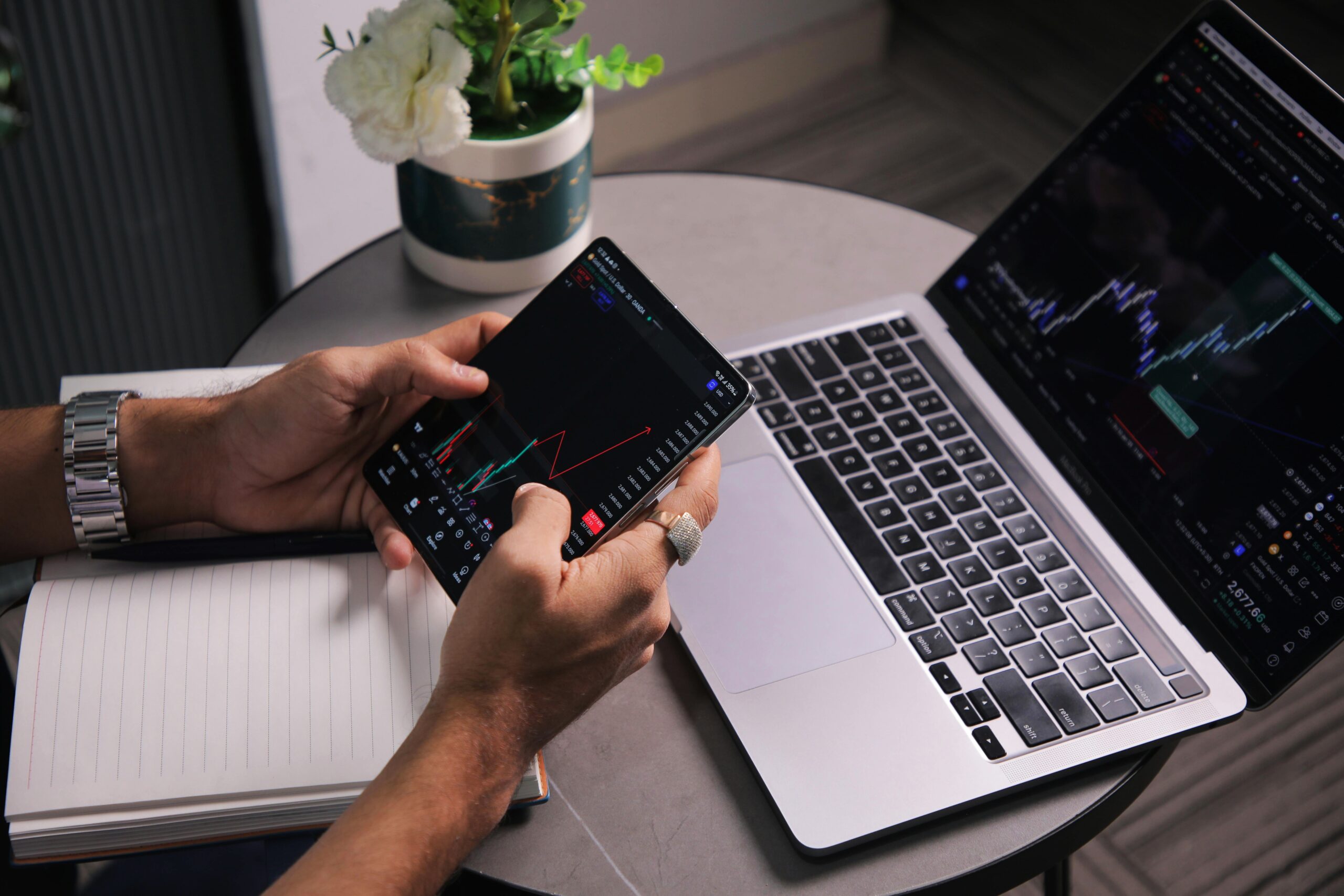
Market Hours Discipline – Process Over Profits
Market hours discipline is the ability to respect time, rules, and structure rather than chasing money. Successful traders understand that profits are a byproduct of following a well-defined process, not the goal during live market hours. This means trading only during predefined sessions, waiting patiently for high-probability setups, executing trades exactly as planned, and knowing when to stay out of the market. By focusing on the process—entries, risk management, position sizing, and exits—traders reduce emotional decision-making, overtrading, and burnout. Profits will fluctuate daily, but discipline in market hours creates consistency, confidence, and long-term sustainability, which is what truly separates professional traders from gamblers.
Respect the market hours, trust your process, and let profits follow—not lead.
Market Time: 9:15 AM – 3:30 PM
This is where most traders fail — not because of lack of knowledge, but because of lack of restraint.
🎯 Define Your Daily Trading Limits
Write these down before the first trade:
- Maximum trades allowed: ______
- Risk per trade: ______
- Maximum daily loss: ______
Once a limit is hit — stop trading.
Professionals survive because they know when to stop.
🧠 The Pre‑Trade Checklist
Before clicking buy or sell, pause and ask:
- Is this trade part of my plan?
- Is my entry rule clearly met?
- Is risk predefined?
- Am I calm or emotionally charged?
If you hesitate on any question — do not trade.
No trade is a valid trade.
❌ Discipline Killers to Avoid
- Revenge trading after a loss
- Increasing size to recover
- Trading out of boredom
- Ignoring stop‑loss
- Chasing fast moves
Markets punish urgency.
🛡️ Capital Protection Rule
Your first job is not to make money. Your first job is to stay in the game.
Capital protection creates longevity. Longevity creates opportunity.

Post‑Market Reset – Detach & Recover
A post-market reset is the discipline of mentally and emotionally stepping away once the trading day ends. Whether the day results in profits or losses, carrying market emotions into personal time leads to stress, overthinking, and burnout. Successful traders detach after market hours by reviewing trades objectively, noting lessons learned, and then consciously letting go of the outcomes. This recovery phase allows the mind to reset, emotions to stabilize, and confidence to rebuild. By detaching and recovering daily, traders return to the market refreshed, focused, and ready to execute their process without emotional baggage from the previous session.
End the day, review the lessons, release the emotions, and reset for tomorrow.
Recommended Time: 3:30 PM – 5:00 PM
Once markets close, emotional detachment becomes critical. Carrying market emotions into personal life leads to burnout.
📓 Trade Review & Journaling (10–15 Minutes)
Answer honestly:
-
Did I follow my rules?
-
Did I respect my stop‑loss?
-
Did emotions influence decisions?
Tag mistakes clearly:
-
Fear exit
-
Late entry
-
Overtrading
-
Overconfidence
-
FOMO
Review behavior, not P&L.
💪 Physical Reset & Stress Release
Stress must leave the body — not stay in the mind.
Options:
-
15–30 minute workout
-
Walking or light cardio
-
Stretching after screen time
Movement resets the nervous system faster than thinking.
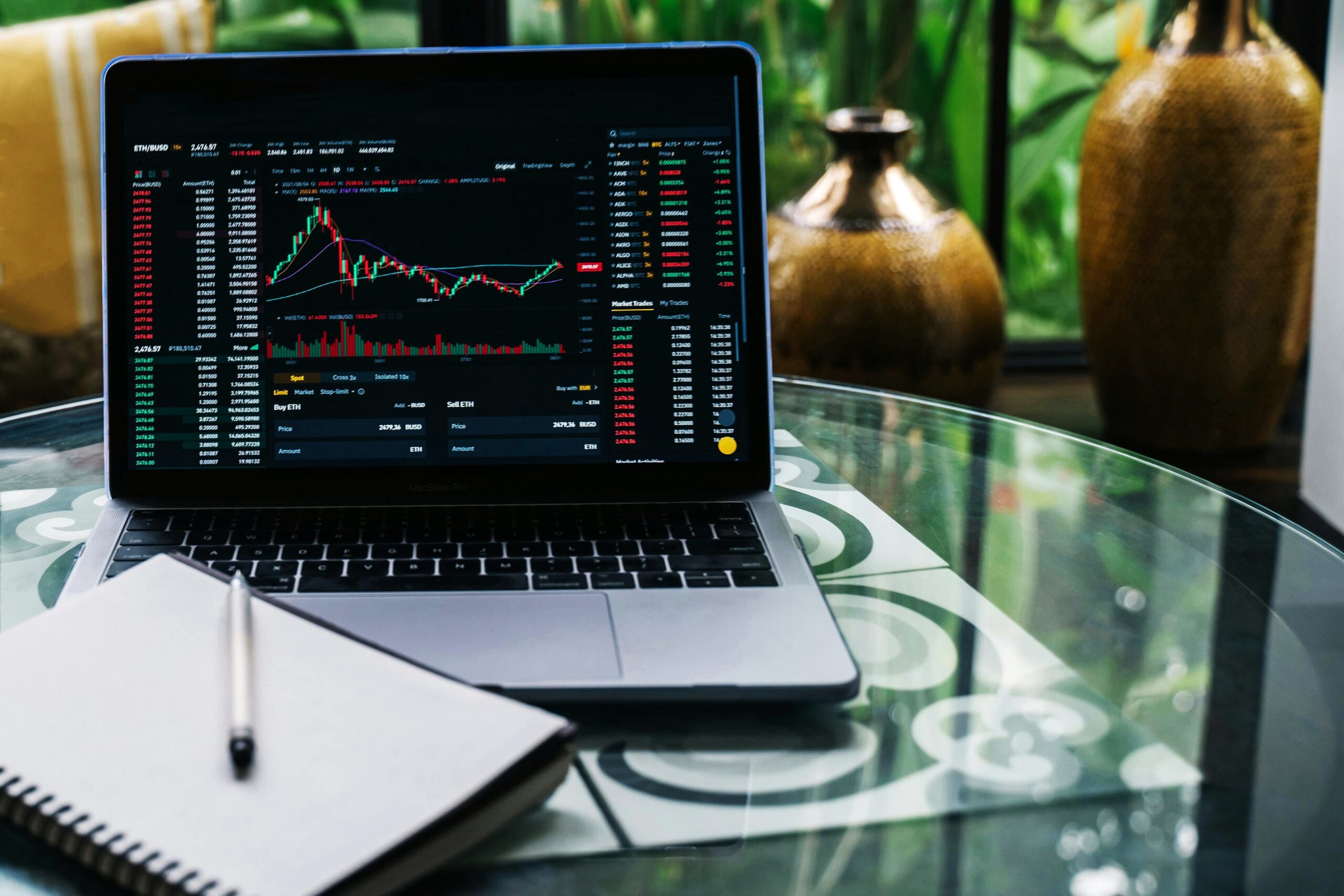
Daily Consistency Score – Track What Matters
A daily consistency score shifts a trader’s focus from money made or lost to the quality of execution. Instead of judging the day by P&L, traders evaluate whether they followed their rules, respected risk limits, waited for valid setups, and maintained emotional control. Tracking what truly matters—discipline, patience, and process—creates awareness of behavioral patterns that directly impact long-term performance. Over time, a high consistency score leads to stable results, while poor scores highlight areas for improvement. When traders measure consistency instead of profits, growth becomes intentional, repeatable, and sustainable.
Measure discipline, not profits—consistency is the real performance score.
At the end of each day, rate yourself:
- Followed trading rules: ⭐⭐⭐⭐⭐
- Emotional control: ⭐⭐⭐⭐⭐
- Fitness completed: ⭐⭐⭐⭐⭐
- Routine followed: ⭐⭐⭐⭐⭐
Ignore daily profit or loss.
Your goal is a high consistency score.
Consistency compounds faster than capital.
Final Thought – The Real Trader’s Edge
Markets are designed to test your patience, discipline, and emotional stability. The traders who survive are not the smartest — they are the most consistent.
This dashboard is your anchor during chaos.
Follow the process. Protect your capital. Train your body. Control your emotions.
Consistency is the real edge in trading.
Interested in the Stock Market but Unsure Where to Begin?

Where Structured Learning Meets Proven Trading Strategies. A Place to Learn the Process, Trust the Strategy & Trade With Logic.
Contact us now
Telegram : @mangaldeep
Useful Links
Reach Us
Email: tradingonpurpose@gmail.com
Telegram: @mangaldeep