
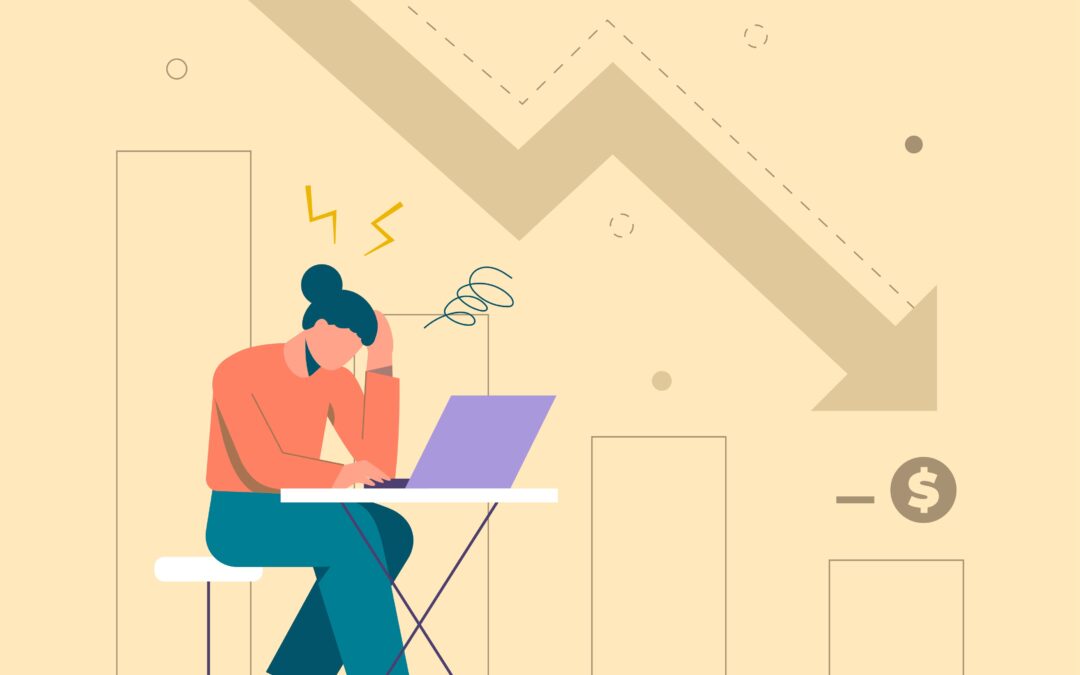
How to Handle Losses Emotionally in Day Trading
Day trading can be exhilarating. The thrill of watching prices move in real-time, spotting opportunities, and executing trades successfully is unmatched. But with every trade comes the risk of losses, and handling them emotionally is one of the biggest challenges traders face.
Many beginners focus on strategies, indicators, and setups—but the truth is, trading psychology often determines success more than strategy. Learning how to manage emotions during losses is key to staying consistent, disciplined, and profitable in the long run.
Why Losses Affect Traders Emotionally
Losing trades trigger strong emotions because:
-
Money is at Stake: Every loss feels personal when it directly affects your capital.
-
Ego and Self-Worth: Traders often tie their self-esteem to wins and losses.
-
Fear of Repeat Losses: After a loss, many traders panic and start overtrading or making impulsive decisions.
Emotional losses lead to poor decision-making, revenge trading, and deviation from your trading plan. This is why understanding and controlling your emotions is as important as learning chart patterns or intraday strategies.
Common Emotional Reactions to Losses
Frustration and Anger – Feeling annoyed at yourself or the market for the loss.
Fear – Hesitation to take the next trade, missing opportunities.
Revenge Trading – Trying to immediately recover losses, often leading to bigger mistakes.
Overconfidence – After a winning streak, ignoring risk management, which can magnify losses.
Recognizing these emotions is the first step toward controlling them.
Strategies to Handle Losses Emotionally
Accept Losses as Part of Trading
Losses are inevitable, even for experienced traders. The goal is not to avoid losses completely, but to manage and minimize them. Treat every loss as a learning opportunity and part of your trading journey.
Use Proper Risk Management
Position sizing and stop losses aren’t just technical tools—they protect your mind too. Knowing that a trade has a limited risk helps you accept losses calmly without panic.
Keep a Trading Journal
Document every trade, including wins, losses, reasons for entry and exit, and your emotional state. Reviewing your journal helps identify patterns in both your trading and emotional reactions. Over time, you’ll learn to detach emotionally from individual trades.
Take Breaks After a Loss
If a trade goes against you, step away from the screen. Taking a short break prevents impulsive decisions and helps clear your mind before analyzing the next opportunity.
Focus on the Process, Not the Outcome
Shift your focus from profits and losses to following your trading plan correctly. Consistency in process leads to long-term success, even if some trades are losses.
Practice Mindfulness and Stress-Relief Techniques
Simple techniques like deep breathing, meditation, or even physical exercise can help manage stress and reduce emotional reactions to losses.
Real-Life Example
Imagine a trader, Raj, who entered a stock at ₹500 and had a stop loss at ₹480. The stock dropped, triggering the stop loss. Initially, Raj felt frustrated and considered revenge trading.
However, because he followed proper position sizing (risking only 2% of his capital) and maintained a trading journal, he recognized the loss as part of his plan. He took a break, analyzed the trade objectively, and entered the next setup calmly, eventually making a profitable trade.
This demonstrates that managing emotions can turn losses into learning experiences rather than stress or panic.
Tips for Long-Term Emotional Resilience
Set Realistic Expectations: Trading is not a guaranteed path to instant profits. Accept that losses are part of the game.
Avoid Overtrading: Don’t chase losses or increase trade sizes impulsively. Stick to your plan.
Build a Support System: Discussing trades with mentors, trading communities, or peers can help normalize losses and reduce emotional burden.
Celebrate Small Wins: Focus on consistency and adherence to strategy rather than individual trade outcomes.
Final Thoughts
Handling losses emotionally is one of the most important skills a trader can develop. While strategies and technical knowledge help you enter trades wisely, emotional discipline ensures you survive and thrive in the market long-term.
Remember: trading is a marathon, not a sprint. Losses are inevitable, but letting emotions control your decisions can be far more costly than the money lost on a single trade. By accepting losses, managing risk, and focusing on the process, you can build both your trading account and your emotional resilience.
Related Posts
How Alerts and Notifications Can Improve Your Trading
In fast-moving markets, timely information is everything. Alerts and notifications help traders stay on top of price movements, entry and exit levels, and market news without constantly monitoring charts. By acting quickly on these signals, traders can seize opportunities, manage risk effectively, and make more disciplined trading decisions.
All About Stop Loss
Stop Loss is a protective tool that limits potential losses on a trade by automatically exiting a position if the market moves against you. It helps maintain disciplined trading, manage risk, and protect your capital while allowing you to focus on high-probability setups.
Position Sizing
Position sizing is the process of determining how much capital to allocate to a trade based on your risk tolerance and trading strategy. It helps manage risk, protect your capital, and ensure that no single trade can significantly impact your portfolio. Proper position sizing is key to disciplined, consistent trading and long-term success.