
Fat Loss, Diet & Nutrition
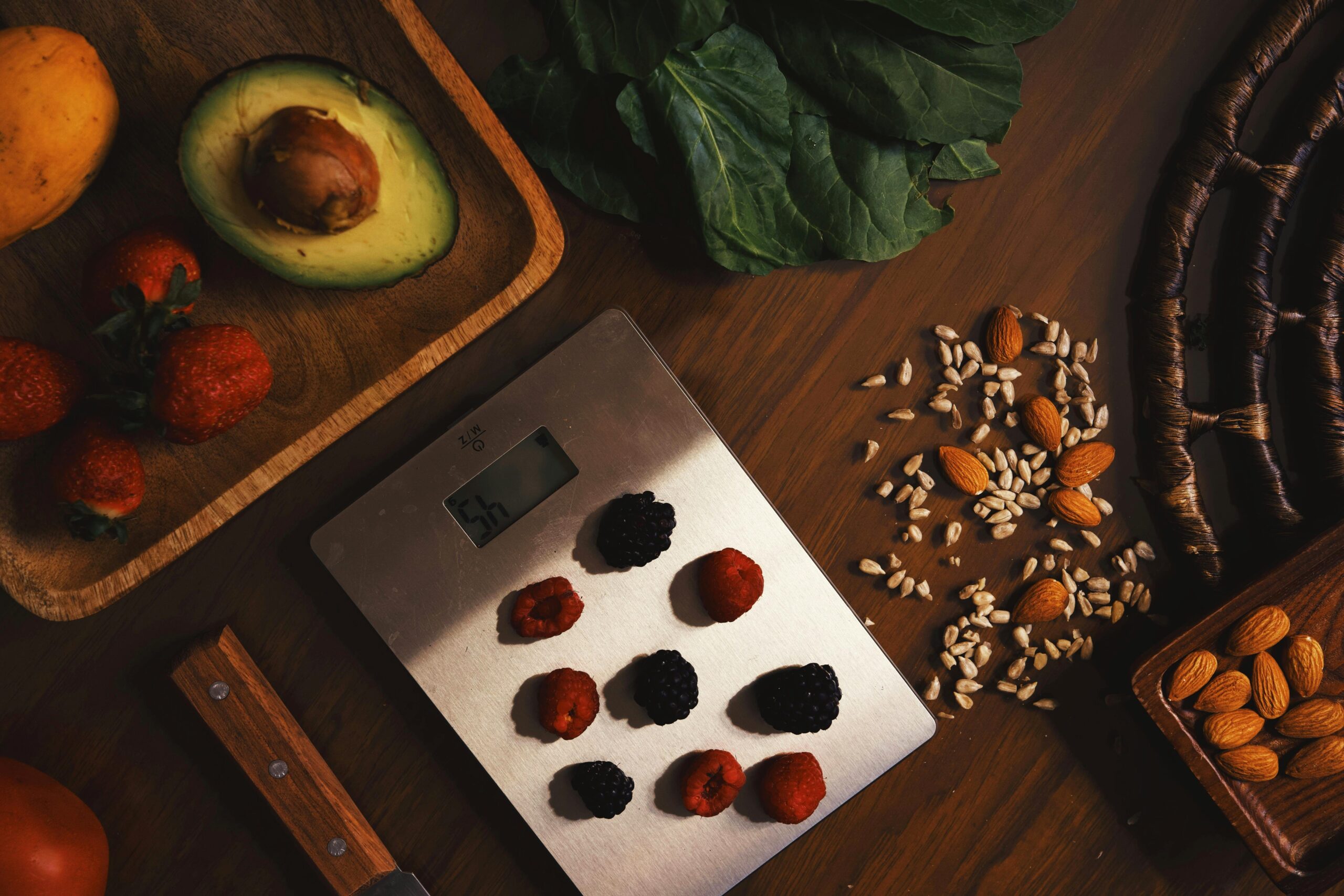
Fat loss through smart diet and nutrition
Fat Loss Explained: What Actually Works
Fat loss is not about extreme dieting but about creating sustainable eating habits that fuel your body correctly. A balanced diet with the right mix of proteins, carbohydrates, healthy fats, and portion control helps burn fat while maintaining energy and muscle. When combined with regular exercise and consistency, proper nutrition becomes the foundation for long-term fat loss and overall health.
Fat Loss Explained: What Actually Works
Fat loss is one of the most misunderstood topics in fitness. Many people believe that eating less, skipping meals, or doing excessive cardio is the fastest way to lose fat. In reality, fat loss is about strategy, not suffering.
True fat loss happens when you create a calorie deficit while preserving muscle mass. Let’s break this down step by step.
Fat Loss Is Not About Starving Yourself
Starving yourself may reduce weight temporarily, but most of that weight comes from muscle loss, water loss, and a slower metabolism. This leads to fatigue, hormonal imbalance, poor recovery, and eventual weight regain.
Sustainable fat loss focuses on:
-
Eating smart, not less
-
Training intelligently
-
Preserving muscle
-
Staying consistent
Just like trading, emotional and extreme decisions lead to long-term failure.
Key Fat Loss Principles Explained
1. Calories Matter More Than Workouts
No matter how hard you train, fat loss will not occur unless you are in a calorie deficit.
-
If you eat more calories than you burn, you gain fat
-
If you eat fewer calories than you burn, you lose fat
Workouts help increase calorie expenditure, but diet controls the outcome. Many people overestimate calories burned during exercise and underestimate calories consumed through food.
Key takeaway:
You cannot out-train a bad diet.
2. Strength Training Is Essential
Strength training is critical during fat loss because it:
-
Preserves lean muscle mass
-
Keeps metabolism high
-
Improves body composition
Without strength training, weight loss often results in a weaker, softer body. Muscle is what gives your body shape and definition.
For traders, strength training also improves discipline, confidence, and stress tolerance—all essential traits for consistent performance.
3. Cardio Supports Fat Loss but Doesn’t Replace Diet
Cardio burns calories and improves heart health, but it has limitations.
-
Cardio alone does not preserve muscle
-
Excessive cardio can increase fatigue and hunger
-
Fat loss still depends on calorie balance
The best approach is a combination of strength training and moderate cardio, supported by proper nutrition.
Think of cardio as a support tool, not the main strategy.
4. Consistency Beats Intensity
Extreme diets and intense workout plans may work for a few weeks, but they are rarely sustainable.
Fat loss requires:
-
Repeating good habits daily
-
Staying patient during slow progress
-
Avoiding emotional decisions
Small, consistent actions compound over time—just like disciplined trading.
Common Fat Loss Mistakes Explained
1. Skipping Meals
Skipping meals often leads to:
-
Low energy levels
-
Poor workout performance
-
Increased cravings and binge eating
Instead of skipping meals, focus on balanced meals with adequate protein and fiber to control hunger and maintain energy.
2. Overdoing Cardio
Doing excessive cardio can:
-
Increase muscle loss
-
Raise cortisol (stress hormone)
-
Reduce recovery capacity
Cardio should support fat loss, not exhaust your body. More is not always better.
3. Avoiding Weights
Many people avoid weight training because they fear getting bulky or injured.
In reality:
-
Weight training shapes your body
-
It prevents muscle loss
-
It improves metabolism
Avoiding weights slows fat loss and weakens the body over time.
4. Expecting Fast Results
Fat loss is a gradual process. Expecting rapid changes leads to frustration and quitting.
Healthy fat loss typically occurs at:
-
0.5–1 kg per week (depending on body type)
Slow progress is real progress.
Diet & Nutrition: Eat Smart, Stay Consistent
A good diet does more than change your physique—it directly affects energy, focus, mood, and decision-making. For traders, nutrition is a performance tool, not just a fitness tool.
Stable blood sugar and proper nutrient intake lead to better concentration and emotional control during market hours.
Simple Diet Guidelines Explained
1. Protein With Every Meal
Protein is essential for:
-
Muscle preservation
-
Recovery
-
Satiety (feeling full)
Including protein in every meal helps control hunger and stabilize energy levels throughout the day.
Good sources include eggs, chicken, fish, paneer, tofu, lentils, and whey protein.
2. Complex Carbs for Sustained Energy
Complex carbohydrates digest slowly and provide steady energy.
Examples:
-
Brown rice
-
Oats
-
Whole wheat
-
Millets
-
Fruits and vegetables
Unlike refined carbs, complex carbs prevent sudden energy crashes and support mental clarity.
3. Healthy Fats for Hormones
Healthy fats support:
-
Hormone production
-
Brain function
-
Joint health
Include sources like nuts, seeds, olive oil, ghee (in moderation), and avocados.
Avoid trans fats and heavily processed oils.
4. Adequate Water Intake
Even mild dehydration can cause:
-
Fatigue
-
Poor focus
-
Headaches
-
Reduced workout performance
Drinking enough water supports digestion, metabolism, and mental alertness.
Trader-Friendly Nutrition Tip
Avoid heavy junk food during market hours.
Junk food:
-
Causes blood sugar spikes and crashes
-
Reduces reaction time
-
Increases mental fatigue
Light, balanced meals improve alertness and emotional control—both critical for trading success.
Final Thoughts
Fat loss and nutrition are not about extremes. They are about control, discipline, and consistency. Just like profitable trading, success comes from following proven principles repeatedly over time.
Eat smart. Train smart. Stay patient.
Interested in the Stock Market but Unsure Where to Begin?

Where Structured Learning Meets Proven Trading Strategies. A Place to Learn the Process, Trust the Strategy & Trade With Logic.
Contact us now
Telegram : @mangaldeep
Useful Links
Reach Us
Email: tradingonpurpose@gmail.com
Telegram: @mangaldeep
Risk Warning : Trading foreign exchange on margin carries a high level of risk, and may not be suitable for all investors. Before deciding to trade foreign exchange, you should carefully consider your investment objectives, level of experience, and risk appetite. There is a possibility that you may sustain a loss of some or all of your investment and therefore you should not invest money that you cannot afford to lose. You should be aware of all the risks associated with foreign exchange trading, and seek advice from an independent financial advisor if you have any doubts.