
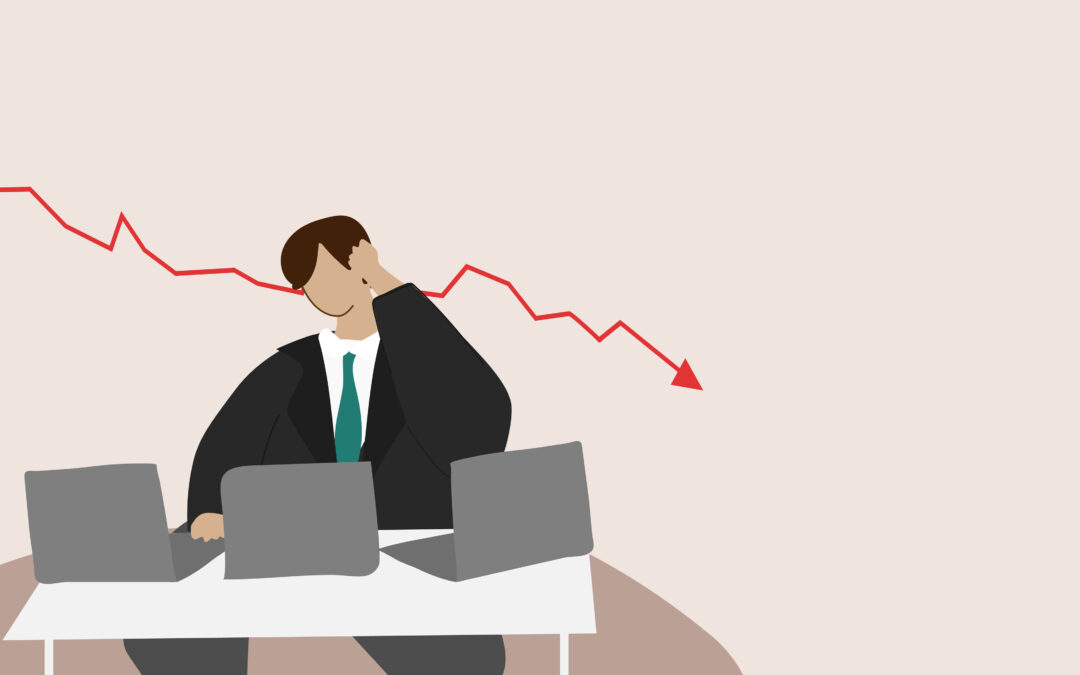
Understanding Stop Loss: Your Safety Net in Trading
Trading in the stock market or any financial market can be exciting—but it also comes with risks. Every trader, whether beginner or experienced, faces the challenge of managing losses while aiming for profits. This is where a Stop Loss comes into play—a simple yet powerful tool that protects your capital and ensures disciplined trading.
What is Stop Loss?
A Stop Loss is an order placed with your broker to automatically exit a trade if the price moves against you beyond a certain level. Think of it as a safety net that prevents a small loss from turning into a catastrophic one.
For example, if you buy a stock at ₹500 and set a stop loss at ₹480, your position will automatically sell if the stock price falls to ₹480, limiting your loss to ₹20 per share.
Why Stop Loss is Crucial
Protects Your Capital
Every trader’s most valuable asset is capital. Stop Loss ensures that one wrong trade doesn’t wipe out your hard-earned money.
Manages Emotional Decisions
Emotions like fear and greed can cloud judgment. A pre-set stop loss removes emotions from the exit strategy, letting you stick to your trading plan.
Encourages Discipline
Trading without a stop loss is like driving blindfolded—you might reach your destination, but the risk is high. Using stop loss keeps your trading structured and disciplined.
Allows Risk Management
Stop Loss helps determine your risk-to-reward ratio, ensuring each trade aligns with your overall trading strategy.
Types of Stop Loss
Traders use different methods to set stop losses depending on their style and strategy:
-
Fixed Stop Loss: A predetermined price at which the trade will be closed. Simple and easy for beginners.
-
Percentage Stop Loss: Exit a trade if it loses a certain percentage of its value, e.g., 2–5%.
-
Trailing Stop Loss: Moves with the market price to lock in profits while still protecting from large losses.
How to Set an Effective Stop Loss
Setting a stop loss isn’t just about picking a random price. Consider these tips:
-
Analyze Support & Resistance Levels: Place your stop just below a support level for long trades or above resistance for short trades.
-
Use Volatility Measures: High-volatility stocks may need wider stops; low-volatility stocks can have tighter stops.
-
Align with Risk Appetite: Only risk what you can afford to lose. Usually, traders risk 1–2% of their capital per trade.
Common Mistakes Traders Make
-
Not Using Stop Loss: One of the biggest mistakes is trading without it. This can lead to huge, unnecessary losses.
-
Setting It Too Tight: A stop loss that’s too close can trigger an exit from normal market fluctuations, causing repeated small losses.
-
Ignoring Market Conditions: Stop loss levels should adapt to market volatility and stock behavior, not be static.
Final Thoughts
A Stop Loss is more than just a tool—it’s a mindset. It teaches traders patience, discipline, and risk management. While profits are the goal, protecting your capital should always come first. Whether you are a beginner or a professional trader, using stop loss can make the difference between long-term success and repeated losses.
Remember, trading without a stop loss is like sailing without a life jacket—exciting at first, but extremely risky. Incorporate stop loss in every trade, stick to your strategy, and trade smartly.
Related Posts
How Alerts and Notifications Can Improve Your Trading
In fast-moving markets, timely information is everything. Alerts and notifications help traders stay on top of price movements, entry and exit levels, and market news without constantly monitoring charts. By acting quickly on these signals, traders can seize opportunities, manage risk effectively, and make more disciplined trading decisions.

Position Sizing
Position sizing is the process of determining how much capital to allocate to a trade based on your risk tolerance and trading strategy. It helps manage risk, protect your capital, and ensure that no single trade can significantly impact your portfolio. Proper position sizing is key to disciplined, consistent trading and long-term success.
How to Handle Losses Emotionally in Day Trading
Losses are an inevitable part of trading, but how you respond to them determines your long-term success. Learning to manage frustration, fear, and impulsive decisions through proper risk management, stop losses, and disciplined trading can turn setbacks into valuable lessons. Emotional resilience allows traders to stay consistent, follow their strategy, and grow steadily in the market.