
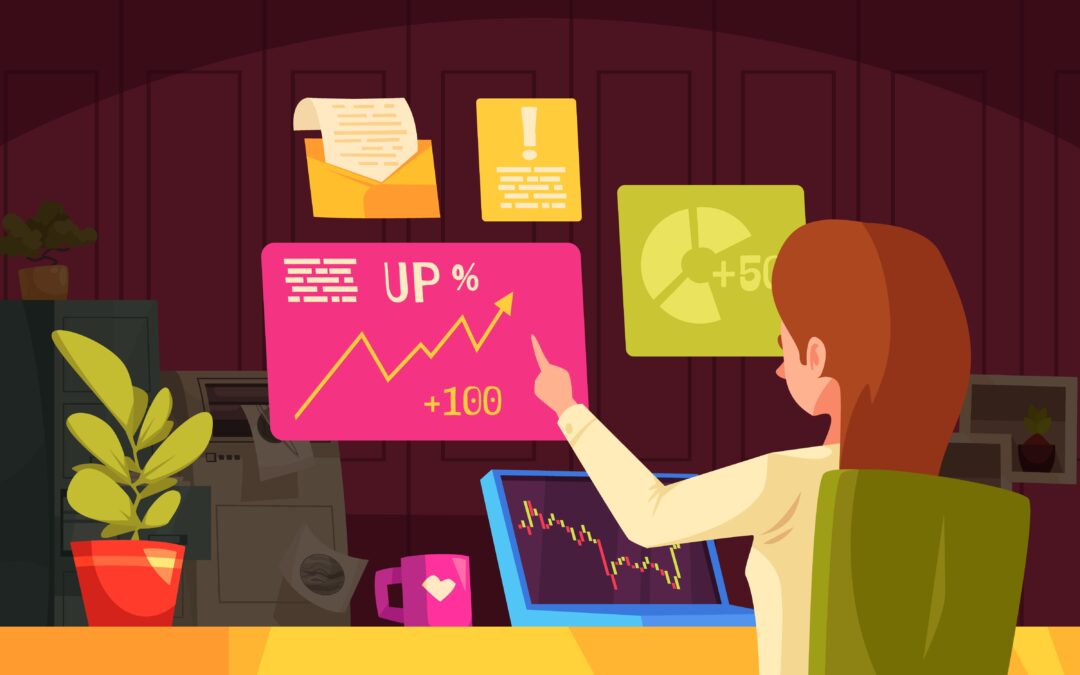
How Alerts and Notifications Can Improve Your Trading
In day trading, timing is everything. Markets move fast, and prices can change in seconds. Missing a key price level, a breakout, or an important market update can mean lost opportunities—or worse, losses. This is where alerts and notifications become indispensable tools for traders.
Alerts are more than just reminders—they help you trade efficiently, manage risk, and make disciplined decisions, even if you can’t watch the markets continuously.
What Are Alerts and Notifications?
Alerts are pre-set signals that notify you when a certain market condition occurs. These could be:
-
A stock reaching a specific price
-
A breakout above resistance or below support
-
Certain technical indicators crossing key levels
-
News impacting your traded stocks or sectors
Notifications can be received on your trading platform, mobile phone, email, or even third-party apps. They allow you to stay connected to the market without constantly staring at charts.
Why Alerts Are Important for Traders
Save Time
Not every trader can sit in front of the screen all day. Alerts reduce the need for constant monitoring, letting you focus on analysis or other commitments.
Act Quickly on Opportunities
Markets move rapidly. A well-timed alert ensures you don’t miss entry or exit points, increasing your chances of profitable trades.
Enhance Discipline
Alerts help you stick to your trading plan. When you set pre-defined levels for entry, stop loss, or exit, notifications prevent impulsive decisions based on emotion.
Manage Risk Efficiently
By being notified immediately when your stop loss is triggered or a trade reaches your target, you can reduce losses and lock in profits effectively.
Types of Alerts Traders Can Use
Price Alerts
Notify you when a stock or asset reaches a specific price. Perfect for intraday and swing traders who have predefined levels.
Technical Indicator Alerts
Alerts based on technical signals like Moving Average crossovers, RSI overbought/oversold levels, or MACD divergences.
News Alerts
Real-time news notifications about market events, corporate announcements, or global developments impacting your trades.
Custom Alerts
Set alerts for unusual volume spikes, gap-ups, or other personalized trading conditions.
How Alerts Improve Trading Efficiency
Imagine a busy professional trader who can’t watch the charts all day. By setting alerts:
-
Entry Alert: Gets notified when a stock breaks above a resistance level.
-
Stop Loss Alert: Receives a notification if a stock falls below a predetermined price, reducing potential losses.
-
Target Alert: Informed when the stock hits the profit target, ensuring profits are booked on time.
This approach allows traders to stay active in the market without being glued to the screen, saving time and reducing stress.
Real-Life Example
Let’s say you are monitoring Stock X for an intraday breakout at ₹500. You set:
-
Entry Alert: ₹500
-
Stop Loss Alert: ₹490
-
Target Alert: ₹520
If the stock hits ₹500 while you’re away from your desk, you receive a notification instantly and can take action. Later, if it moves down to ₹490, your stop loss alert ensures you exit on time, preventing a bigger loss.
This system makes trading efficient, disciplined, and risk-managed, even for traders with limited time.
Tips for Using Alerts Effectively
Don’t Overload Alerts: Too many notifications can cause confusion. Focus on critical levels and trades.
Customize Alerts: Tailor alerts to your trading strategy and risk management rules.
Test Alerts First: Ensure your alerts trigger correctly before relying on them for live trading.
Combine with Risk Management: Alerts are most effective when paired with proper position sizing and stop loss strategies.
Final Thoughts
Alerts and notifications are more than convenience—they are powerful tools that enhance trading efficiency, discipline, and risk management. Whether you are a beginner learning intraday trading or a busy professional managing trades on the go, alerts ensure you never miss an opportunity and never ignore a risk.
In today’s fast-paced markets, staying informed in real time is not optional—it’s essential. By leveraging alerts wisely, you can focus on strategy, reduce stress, and trade with confidence.
Related Posts
All About Stop Loss
Stop Loss is a protective tool that limits potential losses on a trade by automatically exiting a position if the market moves against you. It helps maintain disciplined trading, manage risk, and protect your capital while allowing you to focus on high-probability setups.
Position Sizing
Position sizing is the process of determining how much capital to allocate to a trade based on your risk tolerance and trading strategy. It helps manage risk, protect your capital, and ensure that no single trade can significantly impact your portfolio. Proper position sizing is key to disciplined, consistent trading and long-term success.
How to Handle Losses Emotionally in Day Trading
Losses are an inevitable part of trading, but how you respond to them determines your long-term success. Learning to manage frustration, fear, and impulsive decisions through proper risk management, stop losses, and disciplined trading can turn setbacks into valuable lessons. Emotional resilience allows traders to stay consistent, follow their strategy, and grow steadily in the market.