
Trading & Fitness Connection
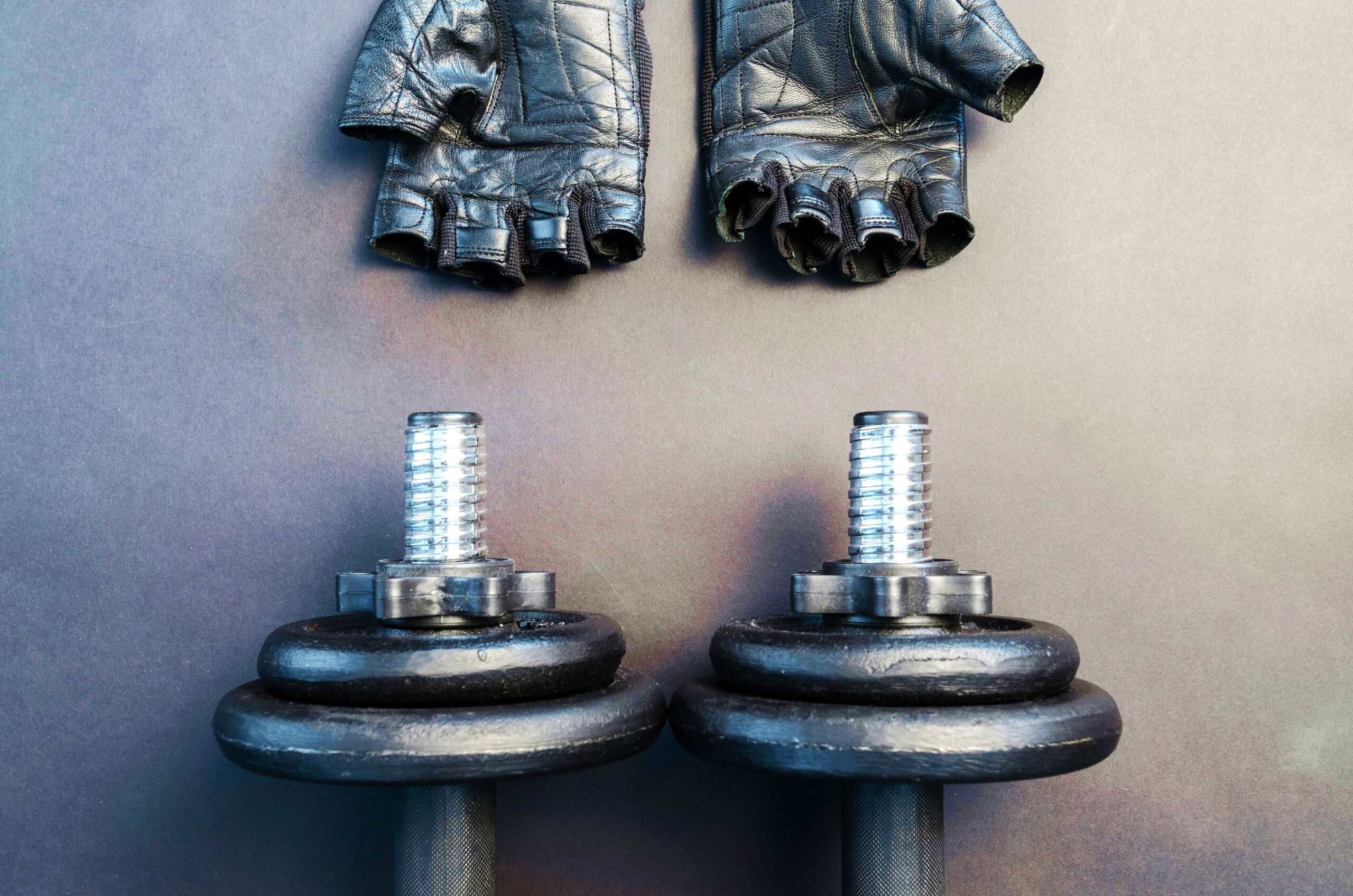
A strong body builds a focused mind for better trading decisions.
Trading & Fitness Go Hand in Hand
Trading and fitness are deeply connected through discipline, focus, and emotional control. Just as physical training builds strength and endurance, regular fitness routines sharpen mental clarity, patience, and decision-making—key traits for successful trading. A healthy body supports a calm mind, helping traders manage stress, stay consistent, and perform better in both markets and life.
Why Trading & Fitness Go Hand in Hand
At first glance, trading and fitness may seem completely unrelated. One happens on charts and screens, the other in the gym or on a workout mat. But when you look deeper, both demand the same mindset, habits, and discipline.
Success in trading and fitness is not built on shortcuts or luck. It is built on daily execution, emotional control, and long-term thinking. This is why traders who commit to fitness often perform better not just physically, but mentally and professionally.
What Trading and Fitness Both Reward
1. Discipline
Discipline is the backbone of both trading and fitness.
In trading, discipline means:
-
Following your trading plan
-
Respecting entry and exit rules
-
Avoiding impulsive or emotional trades
In fitness, discipline means:
-
Showing up for workouts even when motivation is low
-
Sticking to your nutrition plan
-
Prioritizing recovery and sleep
In both areas, results come not from motivation, but from consistent, disciplined actions. Discipline turns good intentions into measurable results.
2. Patience
Patience separates beginners from professionals.
In trading:
-
Profitable trades take time to develop
-
Good setups don’t appear every day
-
Rushing leads to overtrading and losses
In fitness:
-
Muscle growth and fat loss happen gradually
-
Physical changes are not visible overnight
-
Progress requires weeks and months, not days
Impatience leads to forced trades and extreme diets—both of which end badly. Patience allows results to compound naturally.
3. Risk Management
Risk management is non-negotiable in both fields.
In trading:
-
You limit losses per trade
-
You protect capital for long-term survival
-
You avoid revenge trading
In fitness:
-
You avoid overtraining
-
You progress weights gradually
-
You respect recovery and injury prevention
Ignoring risk management in either trading or fitness leads to burnout, setbacks, and failure. Smart progress always comes from controlled risk, not reckless effort.
4. Long-Term Thinking
Short-term thinking destroys long-term success.
In trading:
-
Chasing quick profits leads to inconsistent results
-
Sustainable wealth is built over years
In fitness:
-
Crash diets lead to muscle loss and rebound weight gain
-
Sustainable fitness is built through habits
Both require trusting a process that works over time, even when results are not immediately visible.
How a Fit Body Supports Better Trading Performance
Fitness does more than improve appearance—it enhances mental and emotional performance, which are critical for traders.
1. Better Stress Control
Trading is mentally demanding and emotionally intense. Market volatility, losses, and uncertainty trigger stress responses.
Regular exercise:
-
Reduces cortisol (stress hormone)
-
Improves nervous system balance
-
Enhances emotional resilience
A fitter body handles stress more efficiently, allowing traders to stay calm during market fluctuations instead of reacting emotionally.
2. Sharper Focus
Fitness improves blood circulation, oxygen delivery, and brain function.
This leads to:
-
Improved concentration
-
Faster decision-making
-
Reduced mental fatigue
Workouts train the brain to focus on form, breathing, and execution—skills that directly translate to reading charts and executing trades accurately.
3. Emotional Stability
One of the biggest challenges in trading is emotional control.
Regular training:
-
Releases endorphins
-
Improves mood
-
Reduces anxiety and frustration
This emotional balance helps traders:
-
Accept losses calmly
-
Avoid revenge trading
-
Stick to predefined rules
A calm mind makes rational decisions; an emotional mind makes costly mistakes.
4. Consistent Performance
Consistency is the ultimate goal in both trading and fitness.
Fitness builds:
-
Better sleep quality
-
Stable energy levels
-
Improved daily routine
When your body feels strong and energized, your performance at the trading desk becomes more reliable and repeatable.
Fitness Teaches You to Trust the Process
Fitness is a daily reminder that:
-
Results take time
-
Effort compounds
-
Consistency beats intensity
You train for weeks before you see changes. You follow the plan even when progress feels slow. This mindset is exactly what trading demands.
Fitness trains patience, discipline, and belief in the process—skills that directly improve trading performance.
Final Thoughts
Trading and fitness are not separate pursuits—they complement and strengthen each other. A disciplined body supports a disciplined mind. A patient fitness journey builds patience in trading. Risk management in the gym reinforces risk management in the markets.
When you train your body, you are also training your mindset.
Interested in the Stock Market but Unsure Where to Begin?

Where Structured Learning Meets Proven Trading Strategies. A Place to Learn the Process, Trust the Strategy & Trade With Logic.
Contact us now
Telegram : @mangaldeep
Useful Links
Reach Us
Email: tradingonpurpose@gmail.com
Telegram: @mangaldeep
Risk Warning : Trading foreign exchange on margin carries a high level of risk, and may not be suitable for all investors. Before deciding to trade foreign exchange, you should carefully consider your investment objectives, level of experience, and risk appetite. There is a possibility that you may sustain a loss of some or all of your investment and therefore you should not invest money that you cannot afford to lose. You should be aware of all the risks associated with foreign exchange trading, and seek advice from an independent financial advisor if you have any doubts.